We are currently looking for a project coordinator for our new Mobile Farmers Market that will begin operations in spring 2013. The position description is included below.
The Intertribal Agriculture Council Is Hiring
Reply
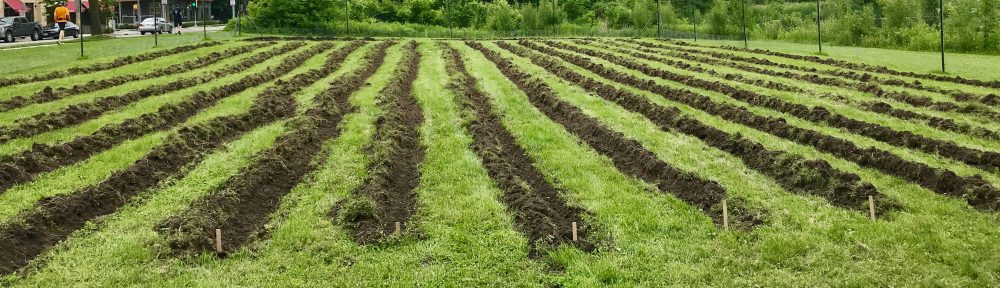
We are currently looking for a project coordinator for our new Mobile Farmers Market that will begin operations in spring 2013. The position description is included below.
USDA Secretary Tom Vilsack has appointed members to the new USDA Council for Native American Farming and Ranching (CNAFR). CNAFR is an advisory committee that will work with the Secretary to improve American Indian access to the department’s programs, as well as helping to make them more responsive to native food producers’ needs.
See the list of appointees to learn more at
There is now less than one week left in the filing period for the Keepseagle legal settlement. Claims must be postmarked by Tuesday, December 27.
More information, including how to find assistance to file a claim, is available at www.indianfarmclass.com or by calling by calling 888-233-5506.
Please remember that all claims must be filed or postmarked by TUESDAY, DECEMBER 27th, 2011. There are no exceptions, so get your claims in as soon as possible. Keepseagle provides up to $50,000 for American Indian farmers and ranchers who faced discrimination during the 1980s and 1990s.
More information may be found at indianfarmclass.com or by calling 888-233-5506
There will be two informational sessions this week:
Here’s is the final agenda for the IAC/INCA 25th Annual Symposium from December 5-9, 2012 at the Flamingo Hotel in Las Vegas.
The keepsake a legal settlement provides compensation for discrimination against American Indian farmers and ranchers who unsuccessfully applied for USDA Farm during the 1980s 1990. Compensation ranges from $50,000-$250,000 depending on number of total claimants and claimants track.
The final deadline to apply is December 27, 2011
More details will be posted shortly
This blog is the place to come for information about tribal agriculture in the Great Lakes Region. It’s important to note that “agriculture”, especially in this area, broadly encompasses all forms of food production like fisheries, wild rice, and maple sugar rather than simple historic conception of agriculture as merely a farmer plowing the fields.

 Great Lakes Region IAC Website